When the American Dream Collides with the Rules of College Sports
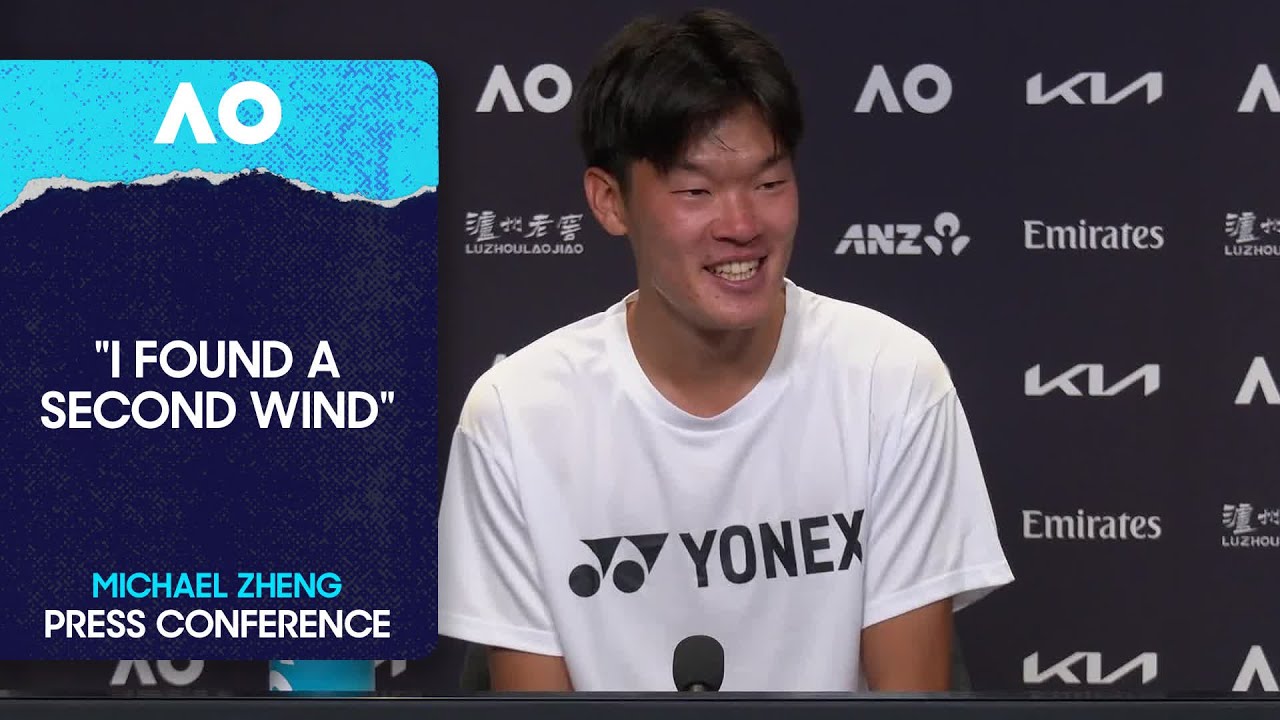
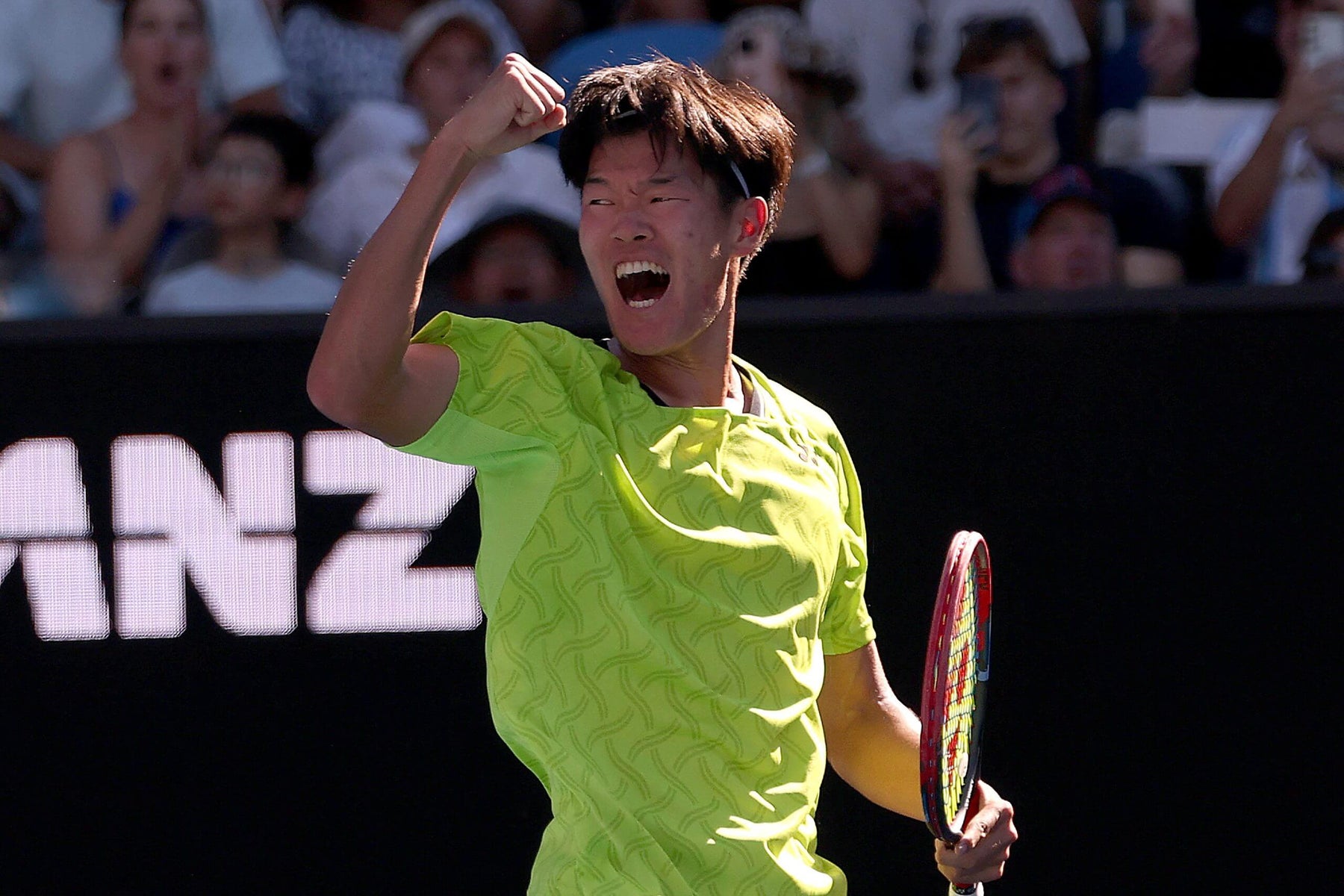
In January 2026, 21-year-old American tennis player Michael Zheng surprised the tennis world at the Australian Open. An unexpected sporting performance that quickly revealed a much larger controversy. After earning more than $100,000 in tournament prize money, Zheng found himself facing the strict rules of American college sports, which prevent student-athletes from freely collecting their earnings. 📸 australianopen.com
MICHAEL ZHENG: WHEN THE AMERICAN DREAM COLLIDES WITH THE RULES OF COLLEGE SPORTS
In January 2026, still largely unknown to the general public, Michael Zheng made a remarkable entrance onto the international stage. The 21-year-old American, a student at Columbia University and a two-time NCAA champion, surprised many at the 2026 Australian Open. After coming through the qualifying rounds, the student-athlete won the first professional match of his career by defeating Sebastian Korda, before being forced to retire against Corentin Moutet in the following round.
However, behind this unexpected sporting performance lies a much broader controversy. Zheng now finds himself confronting the strict regulations governing American college athletics, which severely limit the income student-athletes can receive from competition.
📸 nytimes.com
Before Melbourne: Michael Zheng’s Dominance in College Tennis
Before making headlines on the international stage, Michael Zheng had already built an outstanding résumé as a student-athlete in the United States. Originally from Montville, New Jersey, he arrived at Columbia University in 2022 following a strong junior career, highlighted by a runner-up finish at the Wimbledon Junior Championships that same year.
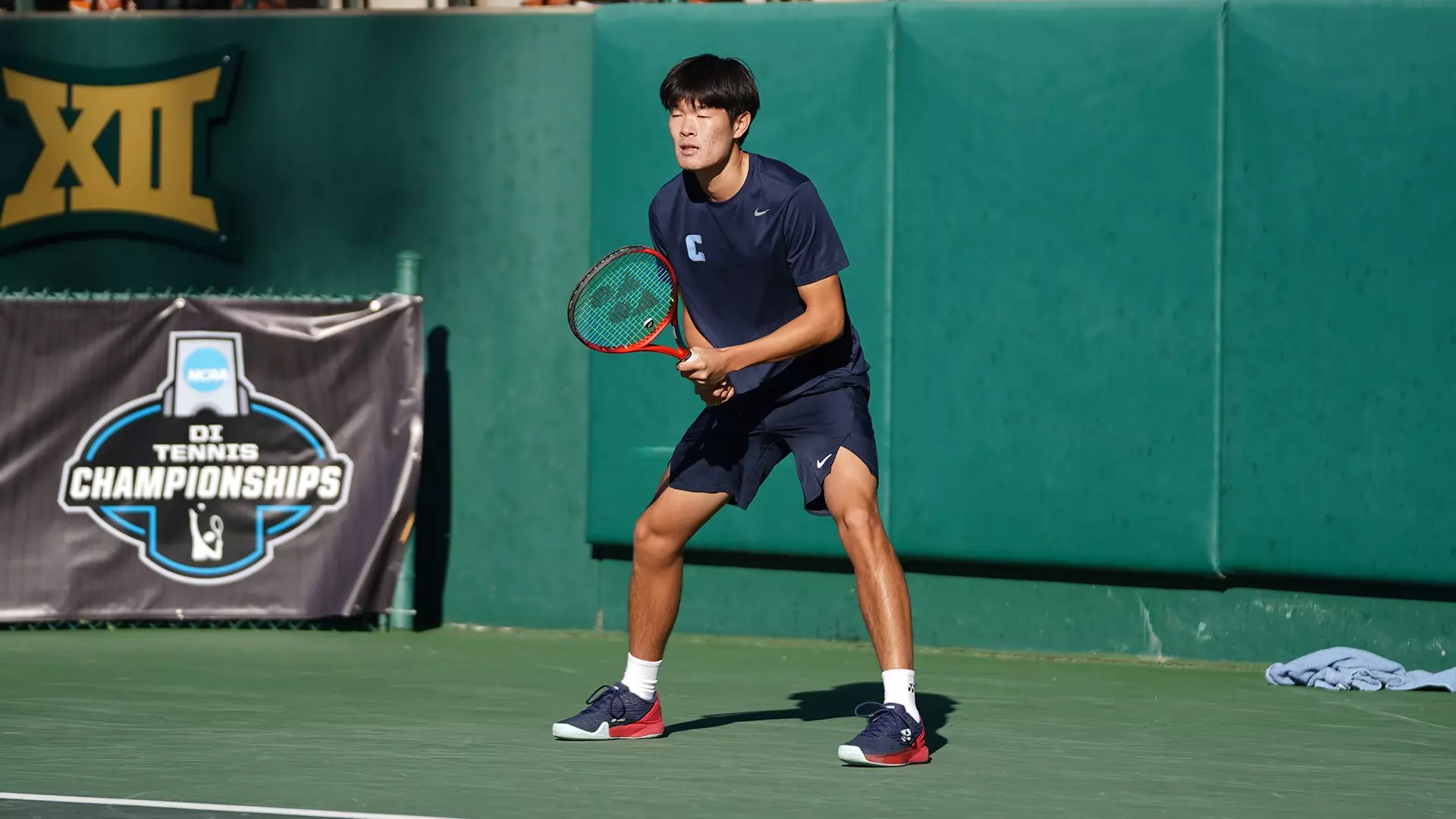
From his very first collegiate season, Zheng quickly established himself as an exceptional player. He became the first men’s player in Ivy League history to be named Player of the Year, Rookie of the Year, and First Team All-Ivy in both singles and doubles in the same season.
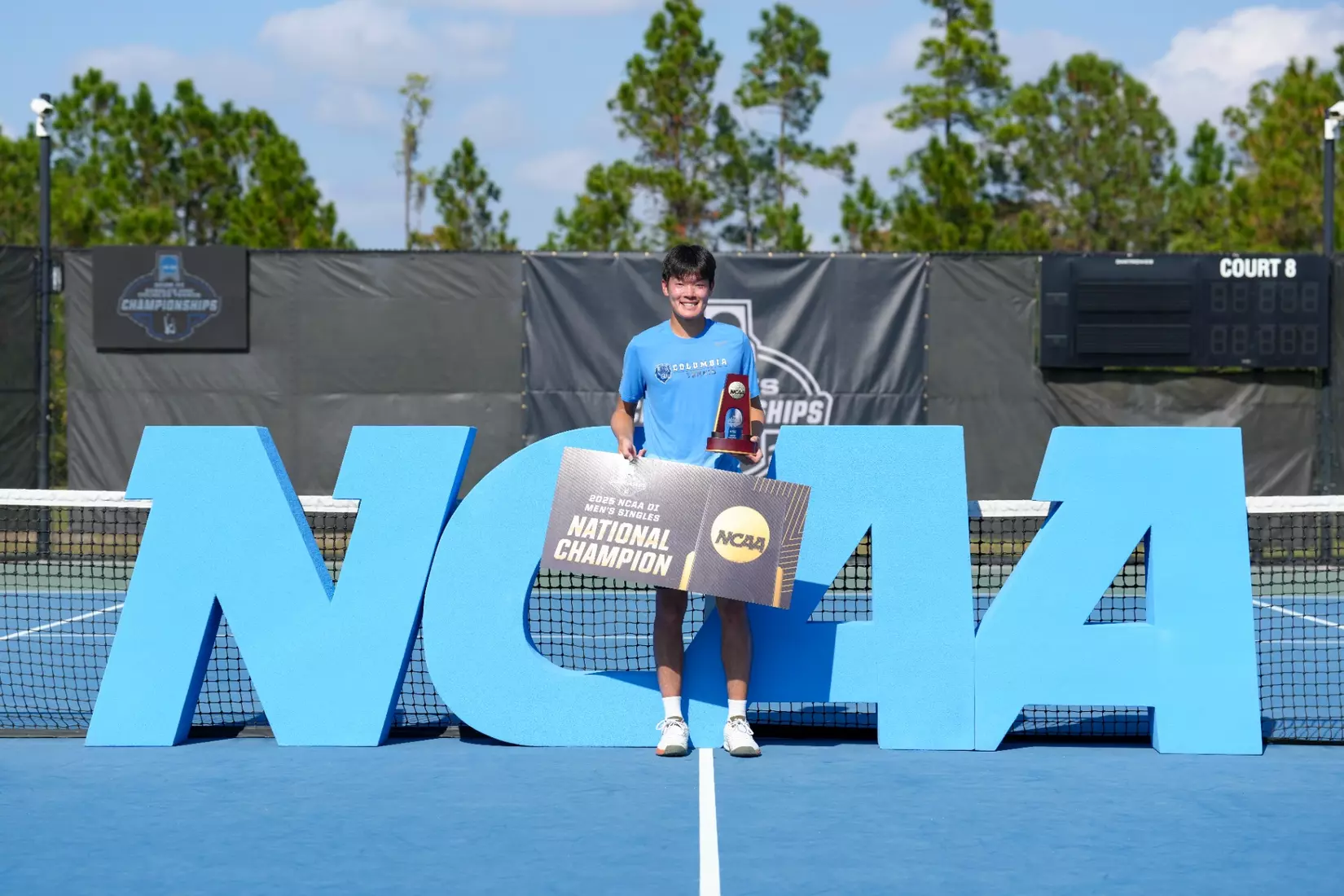
After reaching the Round of 16 at the 2023 NCAA Singles Championships, he advanced to the final in 2024 before capturing the individual title, becoming Columbia’s first NCAA singles champion in over a century, and the first Ivy League player to win the title since 1922.
He successfully defended his title in 2025, delivering a historic performance by becoming the first player since 2012 to win back-to-back NCAA singles championships, while also setting a new record for match victories in NCAA tournament play.
📸 @culionsmten
The Paradox of the Student-Athlete Status
In the United States, college sports are governed by the NCAA and built on the principle of amateurism. Student-athletes benefit from scholarships and exceptional support systems, but their competition-related earnings remain strictly limited: once they exceed certain thresholds, they risk losing their NCAA eligibility.
This is exactly the situation Michael Zheng now faces. After breaking through on the professional circuit, he must make a difficult choice:
accept the full amount of his prize money and end his NCAA career,
or forgo part of his earnings in order to remain eligible to compete in college tennis.
This situation goes beyond one individual case. For many young international talents, it highlights a major strategic challenge: securing a college pathway while carefully weighing the opportunities offered by professional sports.
For agencies like ours, these decisions are becoming increasingly central. It is no longer just about supporting a sporting project, but about guiding athletes through career-defining choices. By exposing the limitations of the system, Michael Zheng has not only made his mark on the court. He has also become a symbol of a model in transition, one that an entire generation of athletes must now navigate.
As of today, no official decision has been announced. But one thing is certain: he won’t be able to keep everything.